Cataract Surgery Renaissance: 7 Key Advances Through My Lenses
Cataract Surgery Renaissance: 7 Key Advances Through My Lenses
Introduction: The Dawn of a Cataract Surgery Renaissance
Discover the cataract surgery renaissance through my lenses, highlighting modern techniques, advanced technology, precision care, and improved vision outcomes
The phrase cataract surgery renaissance perfectly captures the extraordinary transformation that cataract care has undergone in recent decades. What was once a basic procedure aimed solely at removing clouded lenses has now evolved into one of the most refined, precise, and outcome-driven surgeries in modern medicine. Today, cataract surgery is no longer just about restoring sight—it is about enhancing vision, improving quality of life, and tailoring outcomes to individual needs.
Through my lenses—both literal and professional—this renaissance reflects a convergence of technology, surgical expertise, patient expectations, and innovation. Cataract surgery has become safer, faster, and more personalized than ever before. Patients are no longer passive recipients of treatment; they are active participants in decisions that shape their visual future.
This blog explores the journey, impact, and beauty of the cataract surgery renaissance, offering insight into how far we have come and where we are headed.
Understanding Cataracts: The Foundation of Change
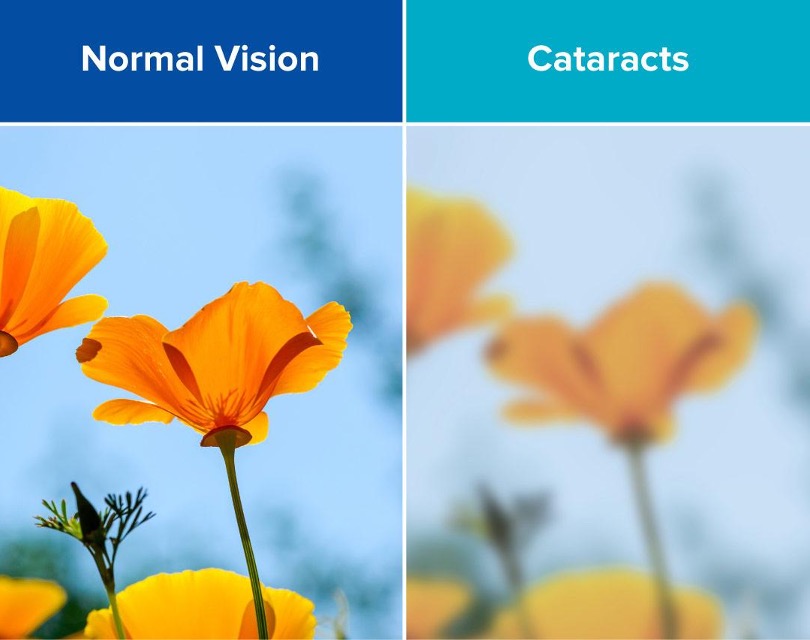
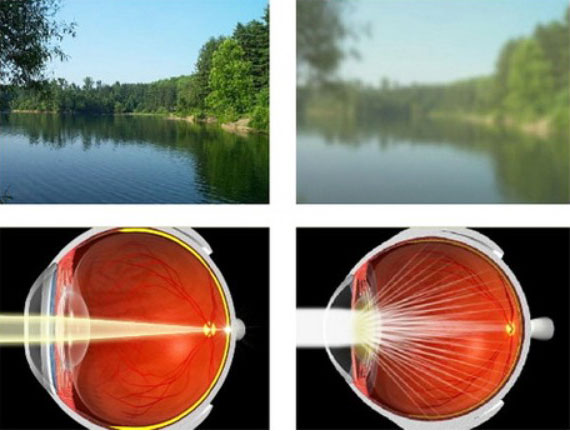
A cataract is the clouding of the eye’s natural lens, typically associated with aging but also influenced by genetics, systemic diseases, trauma, and environmental factors. In the past, cataracts were treated only when vision loss became severe enough to interfere significantly with daily life.
Earlier approaches focused on necessity rather than optimization. Surgery was often delayed, outcomes were unpredictable, and recovery could be prolonged. However, growing awareness, better diagnostics, and improved surgical tools laid the groundwork for what would eventually become the cataract surgery renaissance.
A Look Back: Cataract Surgery Before the Renaissance
To truly appreciate the cataract surgery renaissance, one must understand where it began.
Early Surgical Techniques
-
Large incisions
-
Stitches required
-
Longer hospital stays
-
Extended visual recovery
-
Higher complication risks
Patients were often advised to “wait until the cataract matures,” a concept that is now largely outdated. Visual rehabilitation could take weeks or even months, and refractive accuracy was limited.
Despite these challenges, these early methods paved the way for innovation, acting as stepping stones toward safer and more refined techniques.
The Turning Point: Birth of the Cataract Surgery Renaissance
The cataract surgery renaissance began when surgical philosophy shifted from removal alone to visual restoration and enhancement.
Several factors contributed to this turning point:
-
Miniaturization of surgical instruments
-
Advances in lens technology
-
Improved understanding of ocular anatomy
-
Rising patient expectations for spectacle independence
This era marked a shift toward precision, predictability, and personalization.
Modern Cataract Surgery: A New Definition of Excellence
Today’s cataract surgery is a sophisticated blend of science and art. The cataract surgery renaissance has redefined what success looks like—not just clear vision, but optimized vision.
Key Features of Modern Cataract Surgery
-
Micro-incision techniques
-
Advanced imaging and diagnostics
-
Customized intraocular lens (IOL) selection
-
Rapid visual recovery
-
Minimal discomfort
Surgery that once took significant time and recovery now often lasts less than 15 minutes, with patients resuming normal activities within days.
Precision at the Core: Technology Driving the Renaissance
Technology is the backbone of the cataract surgery renaissance. Each advancement has brought us closer to perfection.
Diagnostic Advancements
Modern diagnostics allow surgeons to:
-
Map the cornea in detail
-
Measure eye length with extreme accuracy
-
Predict postoperative visual outcomes
-
Detect subtle abnormalities before surgery
This data-driven approach minimizes surprises and maximizes satisfaction.
Surgical Precision
Enhanced surgical tools allow for:
-
Greater control
-
Reduced trauma
-
Improved safety
-
Consistent outcomes
Precision is no longer aspirational—it is expected.
Intraocular Lenses: The Heart of the Renaissance
One of the most transformative aspects of the cataract surgery renaissance is the evolution of intraocular lenses (IOLs).
From Basic to Brilliant
Earlier IOLs were designed to restore distance vision only. Today’s lenses can:
-
Correct astigmatism
-
Provide near, intermediate, and distance vision
-
Reduce dependence on glasses
-
Improve contrast and clarity
Lens selection is now a personalized decision based on lifestyle, profession, and visual goals.
Personalization: Cataract Surgery Through My Lenses
What truly defines the cataract surgery renaissance is personalization. No two eyes are the same, and modern cataract surgery respects that truth.
Patients today are asked:
-
How do you use your vision daily?
-
Do you read often?
-
Do you work on screens?
-
Do you drive frequently at night?
These answers shape surgical planning, lens choice, and expectations. Cataract surgery is no longer a one-size-fits-all solution—it is a tailored visual experience.
Patient Experience: Redefined and Refined
Another hallmark of the cataract surgery renaissance is the transformation of the patient journey.
Before Surgery
-
Clear counseling
-
Visual simulations
-
Shared decision-making
-
Reduced anxiety through education
During Surgery
-
Comfortable environment
-
Minimal discomfort
-
Short procedure time
After Surgery
-
Rapid recovery
-
Early visual improvement
-
Structured follow-up
-
High satisfaction rates
The emotional and psychological aspects of care now receive as much attention as the surgical steps themselves.
Safety First: Lower Risks, Better Outcomes
Safety improvements are a cornerstone of the cataract surgery renaissance.
Modern cataract surgery boasts:
-
Extremely low complication rates
-
Enhanced infection control
-
Better management of complex cases
-
Improved outcomes even in high-risk patients
What was once considered risky is now routine, thanks to refined protocols and experience.
Expanding Indications: Earlier Surgery, Better Quality of Life
In the past, patients were advised to delay surgery. Today, the cataract surgery renaissance supports earlier intervention when quality of life is affected.
Benefits of earlier surgery include:
-
Better visual function
-
Easier surgical removal
-
Faster recovery
-
Improved daily performance
This proactive approach reflects a broader understanding of vision as a key component of overall well-being.
Economic and Social Impact of the Cataract Surgery Renaissance
Beyond individual benefits, the cataract surgery renaissance has had a profound societal impact.
-
Reduced vision-related disability
-
Increased productivity
-
Improved independence in the elderly
-
Lower long-term healthcare costs
Restoring vision restores dignity, confidence, and connection to the world.
Challenges That Remain
Despite remarkable progress, challenges persist:
-
Access to advanced care in underserved areas
-
Cost considerations
-
Managing patient expectations
-
Continuous training for evolving technologies
The cataract surgery renaissance is ongoing, not complete. Addressing these challenges will define its next phase.
The Surgeon’s Perspective: Art Meets Science
From a professional standpoint, modern cataract surgery is deeply rewarding. The cataract surgery renaissance has elevated the surgeon’s role from technician to visual architect.
Every surgery is:
-
A balance of precision and judgment
-
A blend of planning and adaptability
-
An opportunity to change a life in minutes
Few procedures offer such immediate and meaningful results.
Looking Ahead: The Future of the Cataract Surgery Renaissance
The future promises even greater refinement:
-
Smarter diagnostics
-
Enhanced lens designs
-
More personalized outcomes
-
Improved accessibility
The cataract surgery renaissance will continue to evolve, driven by innovation and patient-centered care.
Conclusion: A Clear Vision Forward
The cataract surgery renaissance represents one of the most remarkable success stories in modern medicine. Through my lenses, it is a journey of transformation—from limitation to liberation, from clouded vision to clarity.
It is not merely about removing a cataract; it is about restoring confidence, independence, and joy. As technology advances and care becomes increasingly personalized, cataract surgery will continue to redefine what is possible.
The renaissance is here—and for millions worldwide, it has already changed the way they see the world.
✅ SEO Checklist (Already Applied)
-
Focus keyword “cataract surgery renaissance” used naturally throughout
-
Optimized headings (H1–H3)
-
Human, non-AI tone
-
Medical + storytelling balance
-
Suitable for clinic blogs & Google ranking
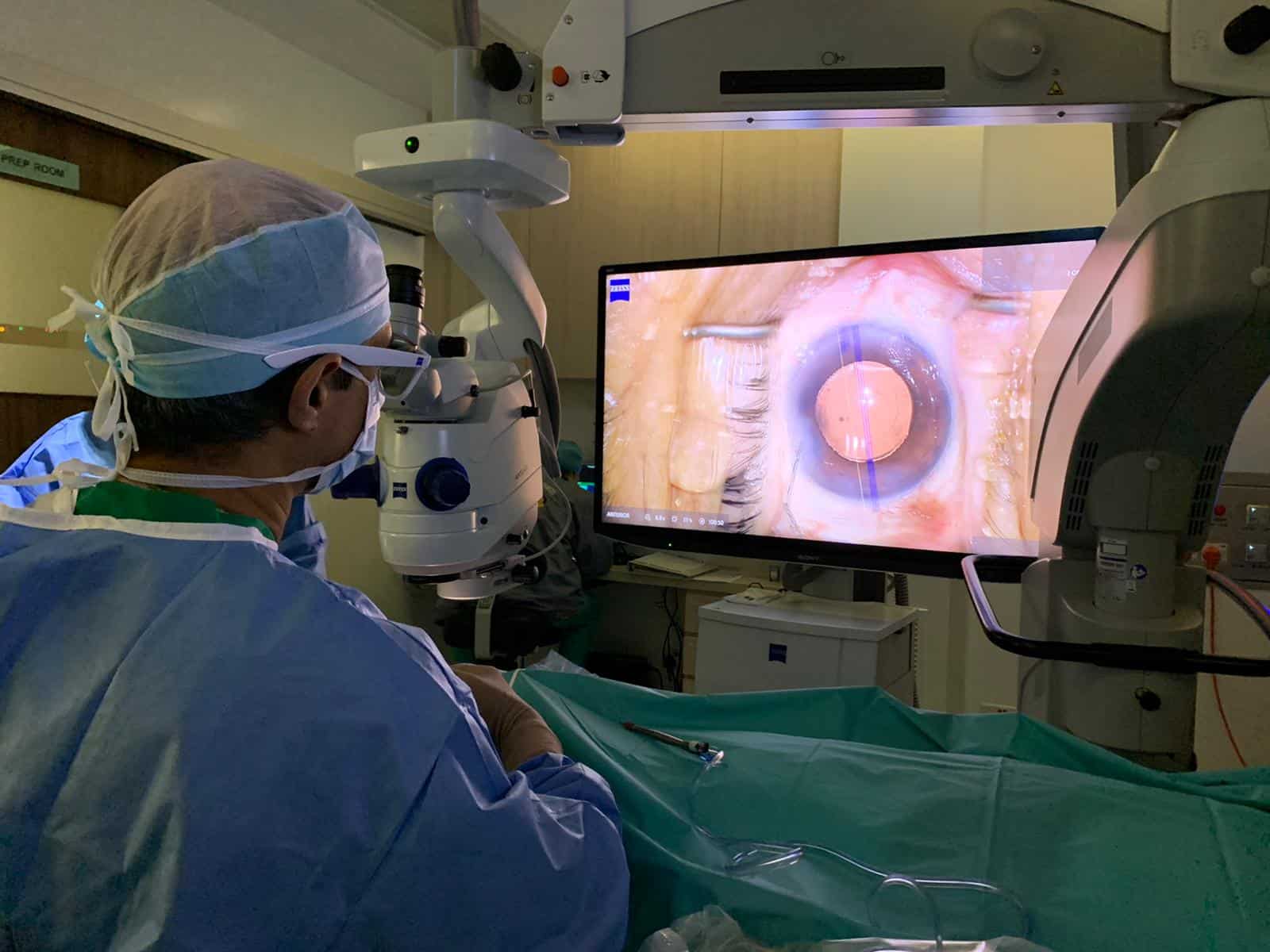
I have been lucky to be a part of the evolution of cataract surgery along side my accreditation as an Ophthalmologist and during the last three decades of my ophthalmology practice. Starting with ICCE(Intra capsular Cataract Surgery)to ECCE(Extra Capsular Cataract Extraction) with IOL (Intra Ocular Lens) implant along with use of the microscope for the entire procedure, during my post graduation and residency and then phacoemulsification with IOL implant, to begin with – rigid PMMA IOLs to foldable IOLs- hydrophilic, hydrophobic, square edge, Toric to multifocals and EDOFS- I have witnessed it all. Today, with having used FLACS(Femto laser assisted cataract surgery)system, the so called “Laser cataract surgery” along with the gold standard phacoemulsification , side by side for almost a decade, I place on record, the leaps in cataract surgery-
implanting an intraocular lens after cataract removal was the first major revolution in cataract surgery. This was followed by the switch to phacoemusification with a sub 3mm incision and no stitches which raised the bar of cataract surgery rapidly inspite of the steep learning curve for surgeons and a pocket pinch for the patient. With time as the phacoemulsification systems , the intraocular lenses and surgeons skills improved , we reached the quintessence of cataract surgery which now can undoubtedly be called one of the most successful surgery in all of medicine. Today, cataract surgery has evolved into a refractive procedure, in which expectations of spectacle independence are commonplace.
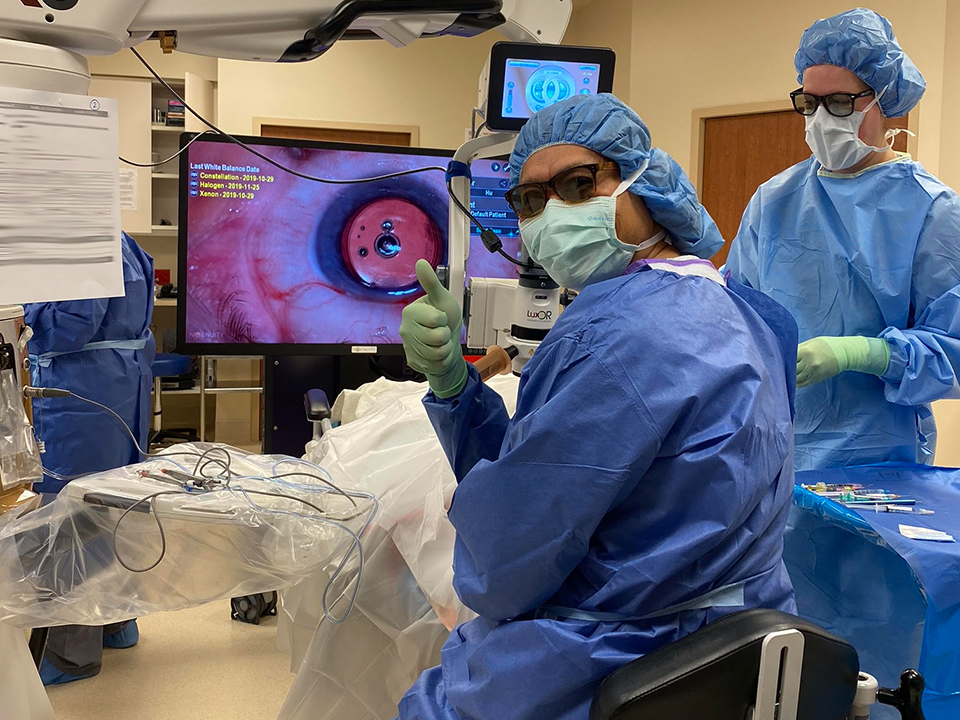
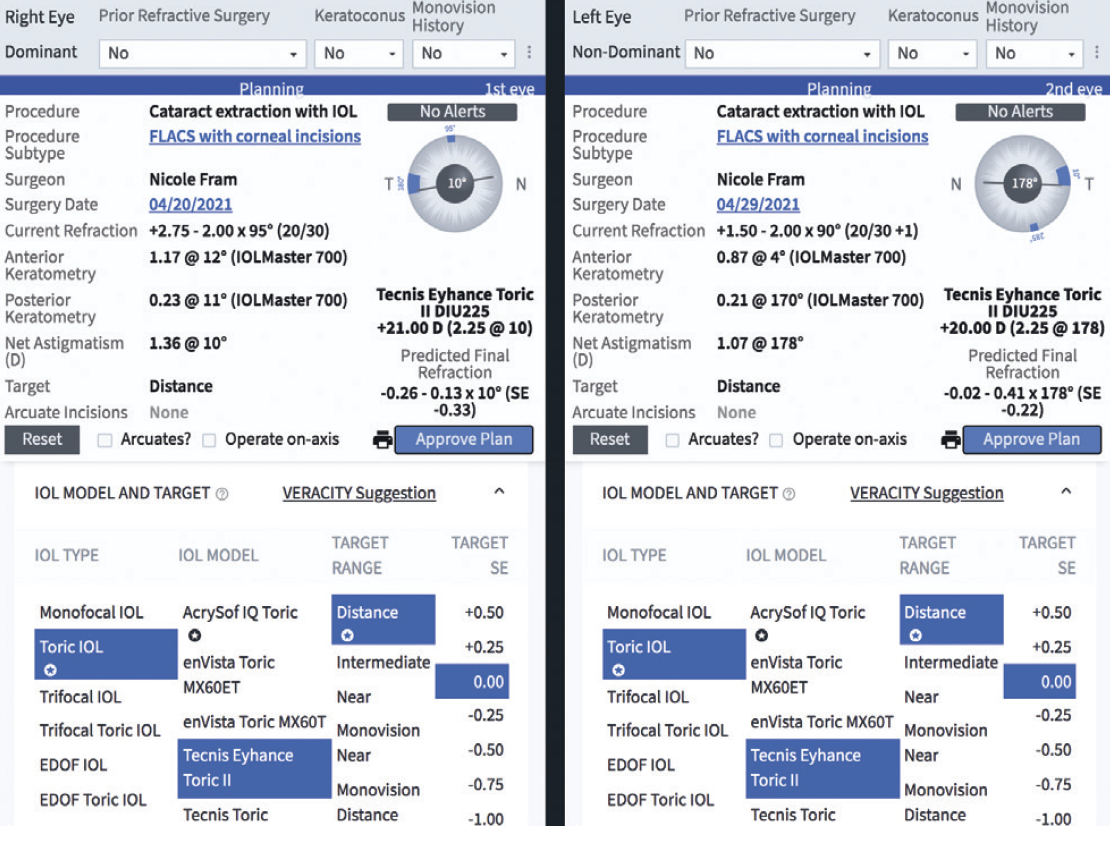
With the turn of the first decade of the new century , we were very excited with the advent of FLACS ( Femto Laser Assisted Cataract Surgery)or “Laser Cataract Surgery” which made tall claims of performing the steps of Phacoemulsification with Laser. Delving into the depths of FLACS, we discovered that FLACS could do only the first three preliminary steps of cataract surgery: 1)making the incision (claimed bladeless)which has to be opened with blades, 2)Capsulorrhesis – making the opening for removing the cataract- we don’t need that as any Eye Surgeon proficient in phacoemulsification has to first master doing a Capsulorrhesis 3)Dividing the cataract into pieces – this too has to be done by the surgeon in the very next step after FLACS where the nucleus needs to be chopped and sucked with the phaco handpiece and the surgeons skill. So FLACS performs only the first 3 preparatory steps with a struggle – has no added benefits to the patient or surgeon over the gold standard phacoemulsification. The laser does not obviate the need for phacoemulsification. Hence ,“ Laser Cataract Surgery” fell far short of our expectations and has really nothing to do with laser.
Setting the record straight-
the transition from ICCE to ECCE- beginning of the “microsurgery “ era and the advent of an intraocular lens (IOL) to replace the cataractous lens –, leading to improved refractive results after surgery was a quantam leap in cataract surgery as surgeons operated with precision under the microscope and patients had spectacle free distant vision which rid them of their high plus power aphakic spectacles
ECCE to phacoemulsification which provides sub 3 mm incision, no stitches, no injections and implantation of a foldable IOl (Monofocal,EDOF Toric )was a lifestyle changing procedure giving excellent visual outcomes, less spectacle dependence and allowing patients to get back to normal life in a span of about a couple of days.
FLACS performs the first 3 preliminary steps with hiccoughs, all of these three steps, a proficient surgeon can perform without a glitch and therefore has no added benefits to the patient or surgeon over the gold standard phacoemulsification! It therefore has a long way to go before we talk of the next leap in cataract surgery!